Is solar worth it in Thailand?
Yes, if you use power in the daytime: a home using 600 kWh a month with a 5 kW system pays back in about 5.4–9.8 years, saving 1,288 THB on the bill and earning 880 THB from exports each month.
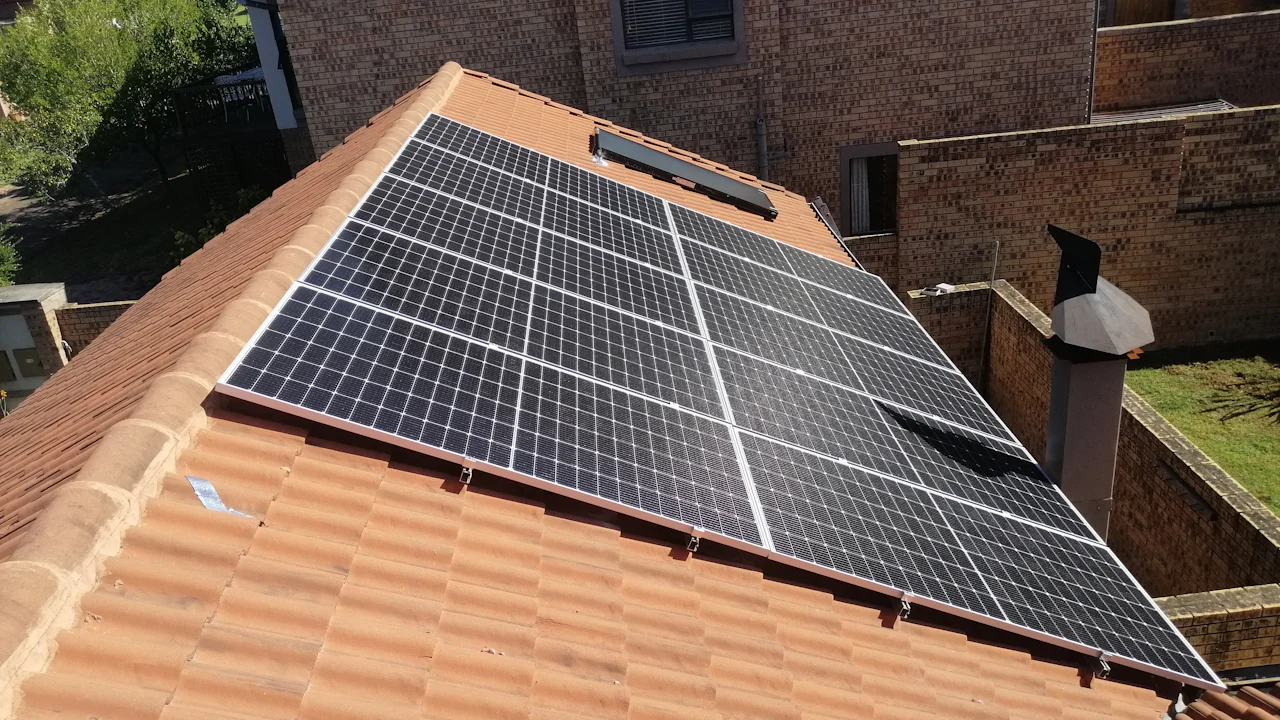
- Payback (5 kW)
- 5.4–9.8 years
- Monthly benefit
- 2,168 THB
- 25-year benefit
- 650,250 THB
- Export rate
- 2.20 THB/kWh
- Panelsmake DC power
- Inverterconverts to AC
- Your homecuts the daytime bill
- Smart meter
- Utility gridsurplus at 2.20 THB/kWh
Solar payback calculator
Pays back in about —
- Recommended size
- —
- Install cost
- —
- Bill saving
- —
- Export income
- —
- Tax saved
- —
- 25-year benefit
- —
Assumptions
More daytime use, faster payback
Solar power is worth more when you use it on the spot: it replaces grid power bought in the expensive tiers. Exported surplus earns only 2.20 THB/kWh.
| Daytime use | Payback (5 kW) |
|---|---|
| 30% (out all day) | 6.0–11.0 years |
| 50% | 5.4–9.8 years |
| 70% (work from home / shop) | 4.9–8.9 years |
Payback by monthly electricity bill
| Monthly bill | Suggested size | Saving + export/month | Payback |
|---|---|---|---|
| 1,500 THB | 3 kW | 1,334 THB | 6.9–12.5 years |
| 2,500 THB | 3 kW | 1,605 THB | 5.7–10.4 years |
| 4,000 THB | 5 kW | 2,608 THB | 4.5–8.1 years |
| 6,000 THB | 10 kW | 4,643 THB | 4.1–7.2 years |
| 8,000 THB | 10 kW | 5,138 THB | 3.7–6.5 years |
Assumes 50% daytime use, PEA area, as of 31 Oct 2026.
When solar may not be worth it
- Bills under about 1,000 THB a month: most use sits in the cheap tiers.
- Nobody home in the daytime and no battery.
- An old roof that needs replacing soon, or heavy shading.
- Renting, or planning to move within 5 years.
Installed solar prices by system size
| Size | Typical price (THB) | Output / month |
|---|---|---|
| 3 kW | 110,000–200,000 | ~420 kWh |
| 5 kW | 140,000–255,000 | ~700 kWh |
| 10 kW | 230,000–400,000 | ~1,400 kWh |
Compiled from Thai news and bank guides. Actual quotes depend on panel and inverter brand and on your roof. · As of 31 Oct 2026
Government incentives
- Sell surplus power back at 2.20 THB/kWh on a 10-year contract
- 500 MW national quota
- Personal income tax deduction up to 200,000 THB (on-grid ≤10 kWp, until 31 Dec 2028)
- Export is capped at 5 kW per meter
- People’s Solar subsidy of 50,000 THB per person, registration until 31 Jan 2027 (cannot be combined with the tax exemption)
As of 31 Oct 2026 · Check the latest MEA/PEA announcement before installing
Before you install
- Daytime use matters most. Power you use yourself saves the full retail rate; surplus you export earns only 2.20 THB/kWh.
- Your roof may need work. Structural reinforcement or replacing old roofing is not included in the price ranges.
- Panels must carry the TIS 61730 mark under a ministerial regulation dated 26 Oct 2026. Ask to see it before signing.
- Use an installer registered with MEA or PEA who follows the utility safety standards and handles permits. Be wary of unusually cheap quotes.
- These are estimates. They exclude the Ft surcharge, the monthly service charge and VAT. Real quotes will differ.
Latest news
- ศุภโชติ แฉโซลาร์รูฟท็อป เครือข่ายเดียวกันถือหุ้นไขว้กว่า120 บริษัท หวั่นกีดกันSMEs เอื้อทุนใหญ่ · มติชน · 1 Nov 2026
สส.พรรคประชาชนตั้งข้อสังเกตว่าบริษัทที่ผ่านเกณฑ์โครงการโซลาร์ภาคประชาชนหลายแห่งใช้ที่อยู่ซ้ำกันและมีผู้ถือหุ้นเชื่อมโยงกัน เป็นข้อกล่าวหาที่ยังไม่มีการพิสูจน์ เจ้าของบ้านควรเทียบใบเสนอราคาจากหลายบริษัท
- ความคุ้มค่า ‘โซลาร์ภาคประชาชน’ · ประชาชาติธุรกิจ · 1 Nov 2026
บทวิเคราะห์ระบุว่าโครงการโซลาร์ภาคประชาชนกำหนดยื่นคำขอภายใน 31 ส.ค. 2570 และเชื่อมต่อระบบภายใน 30 ก.ย. 2570 ระบบ 5kW ราคากลางราว 140,000 บาท หักเงินอุดหนุนแล้วเจ้าของบ้านจ่ายราว 90,000 บาท บ้านค่าไฟ 2,500–3,000 บาทขึ้นไปคาดคืนทุนไม่เกิน 5 ปี
- ธอส.ลุย 2 โปรเจ็กต์รัฐปล่อยกู้บ้าน 3 ล้าน-ติดโซลาร์ · ประชาชาติธุรกิจ · 1 Nov 2026
ธอส. ยืนยันเปิดสินเชื่อสำหรับติดโซลาร์รูฟท็อป 5–10 kW ในโครงการโซลาร์ภาคประชาชน สำหรับบ้านอยู่อาศัยที่ผู้ขอเป็นเจ้าของมิเตอร์ และติดตั้งผ่าน MEA, PEA หรือผู้ประกอบการที่ขึ้นทะเบียน
Get free quotes from 3–5 installers
Fill this in once and we pass it to installers registered with MEA/PEA in your province, who contact you. Free.
Frequently asked questions
How many years does home solar take to pay back in Thailand?
About 5.4–9.8 years for a 5 kW system in a home using 600 kWh a month with half of it in daytime, depending on the installed price.
Is solar worth it if I mostly use power at night?
Less so. With only 30% daytime use, a 5 kW system pays back in about 6.0–11.0 years, because most output is exported at 2.20 THB, below what you pay for grid power.
How long do solar panels last?
Panels are typically designed for about 25 years; inverters usually need replacing sooner. Our 25-year benefit does not yet subtract panel degradation, because we have not found a source we trust for the rate.
Does the tax deduction shorten payback?
Yes. Installation costs are deductible from taxable income up to 200,000 THB. In the 20% bracket that saves up to 40,000 THB. Enter your bracket in the calculator.